
A blow to the head can be frightening, whether it happens during a fall, a car accident, or a sports activity. Traumatic brain injuries, often called TBIs, range from mild concussions to more serious injuries that may require emergency care. Knowing what to watch for and when to seek help can protect long-term brain health.

What Is a Traumatic Brain Injury?
A traumatic brain injury occurs when an external force disrupts normal brain function. This can happen from a bump, blow, jolt, or penetration to the head.
TBIs are commonly caused by:
- Falls
- Motor vehicle accidents
- Sports or recreational injuries
- Workplace accidents
TBIs vary widely in severity and symptoms.
Frequently Asked Questions About Traumatic Brain Injuries
Types of Traumatic Brain Injuries
Traumatic brain injuries are generally categorized as:
- Mild TBI, often referred to as a concussion
- Moderate TBI
- Severe TBI
Even mild TBIs should be taken seriously, as symptoms may worsen over time without proper care.
Have you experienced symptoms of a Traumatic Brain Injury, or are you worried about symptoms?
Schedule a Primary Care Appointment Today
If you are experiencing an emergency, or have recently suffered a head injury, please go to the closest ER as soon as possible.

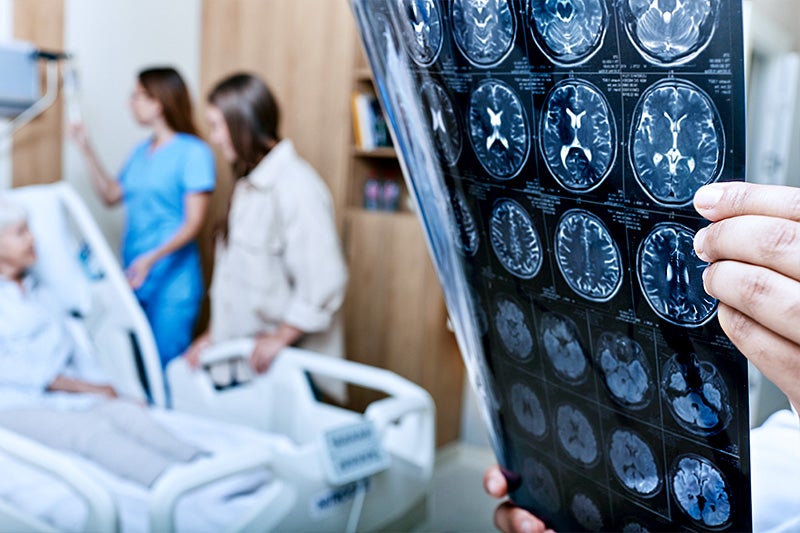
Common Symptoms of a TBI
Symptoms can appear immediately or develop hours or days later.
Common signs include:
- Headache
- Confusion or difficulty concentrating
- Dizziness or balance problems
- Nausea or vomiting
- Sensitivity to light or noise
- Fatigue or sleep changes
- Mood or behavior changes
In children, symptoms may include irritability, changes in eating or sleeping, or difficulty focusing.
It is important to note that if you are experiencing these symptoms, it does not necessarily mean that you are suffering from a traumatic brain injury. However, if you are experiencing any of these symptoms--and if the symptoms do not require emergency care--please speak to your Primary Care Provider, who will refer you to a specialist, if needed.
What to Do If a Traumatic Brain Injury Happens
If a head injury occurs, it is important to act promptly.
Seek emergency care immediately if there is:
- Loss of consciousness
- Repeated vomiting
- Seizures
- Slurred speech
- Worsening headache
- Weakness or numbness
- Confusion that does not improve
For milder symptoms, contacting a primary care provider in Athens, GA, as soon as possible is still recommended.


How Are TBIs Diagnosed?
Diagnosis typically includes:
- A medical history and symptom review
- Neurological examination
- Imaging tests, such as CT scans or MRI, when needed
Primary care providers often coordinate follow-up care and referrals after an initial evaluation.
Long-Term Effects of Traumatic Brain Injuries
Some individuals experience lingering symptoms known as post-concussion syndrome, which may include headaches, memory issues, or mood changes.
Regular follow-up with a healthcare provider helps monitor recovery and address ongoing symptoms.
Patients in Athens, GA, and nearby communities often rely on their primary care provider for long-term monitoring and care coordination.
Treatment and Recovery From a TBI
Treatment depends on the severity of the injury.
Mild TBIs
- Physical and cognitive rest
- Gradual return to normal activities
- Symptom monitoring
Moderate to Severe TBIs
- Hospital care
- Rehabilitation services, such as physical or occupational therapy
- Ongoing neurological follow-up
- Recovery timelines vary, and patience is an important part of healing.

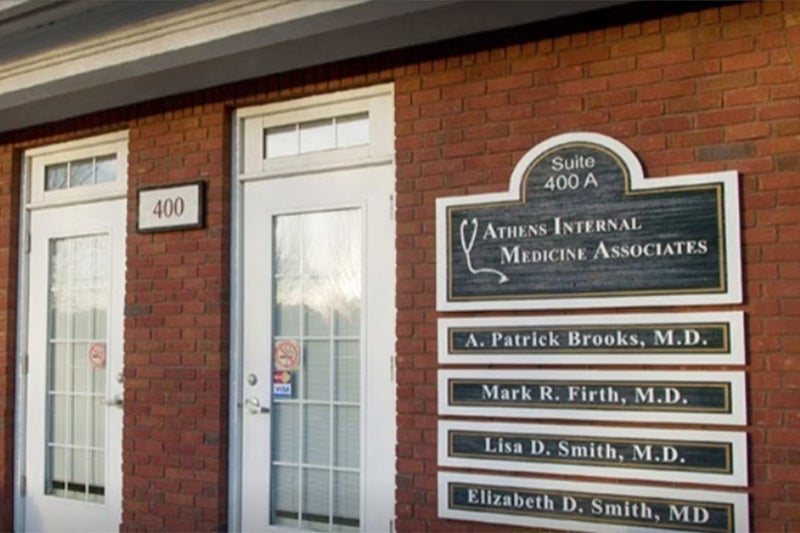
The Role of Primary Care After a TBI
Primary care providers play a key role by:
- Monitoring recovery progress
- Managing lingering symptoms
- Coordinating rehabilitation services
- Addressing emotional and mental health needs
For patients across Athens, GA, primary care provides continuity and reassurance during recovery.
If you or a loved one has experienced a head injury, do not ignore symptoms.
Schedule a visit with a primary care provider in Athens, GA to evaluate symptoms, monitor recovery, and receive guidance on next steps.