Robotic Surgery in Athens, GA: Advanced Technology for Faster Recovery

At St. Mary’s Healthcare System, we use advanced robotic technology to help reduce pain, shorten recovery time, and improve overall outcomes.

Robotic-assisted surgery is transforming the way procedures are performed, offering patients in Athens, GA, and Northeast Georgia a safer, more precise alternative to traditional surgery.
Find a Surgery Location Near You Search Robotic Surgeons
Robotic Surgery at St. Mary's Healthcare System in Athens, GA: Advanced Technology for Faster Recovery

What is Robotic Surgery?

For many patients, surgery can feel overwhelming. Robotic surgery helps ease those concerns by allowing procedures to be performed through small incisions with enhanced visualization and control. This means less disruption to your body and a smoother path to healing.

We proudly serve patients across Athens-Clarke County, Oconee County, Madison County, and surrounding communities, providing access to advanced surgical care close to home.

What Makes Robotic Surgery Different?

Unlike traditional open surgery, robotic-assisted procedures use specialized instruments guided by a surgeon through a highly advanced system. This technology enhances the surgeon’s ability to operate with greater precision and flexibility.

Key differences include:

  • Smaller incisions instead of large surgical openings
  • Enhanced 3D visualization of the surgical site
  • Greater range of motion than the human hand
  • Improved accuracy in delicate or complex procedures

These advantages allow for a more refined surgical approach that prioritizes both safety and recovery.

How Robotic Surgery Works

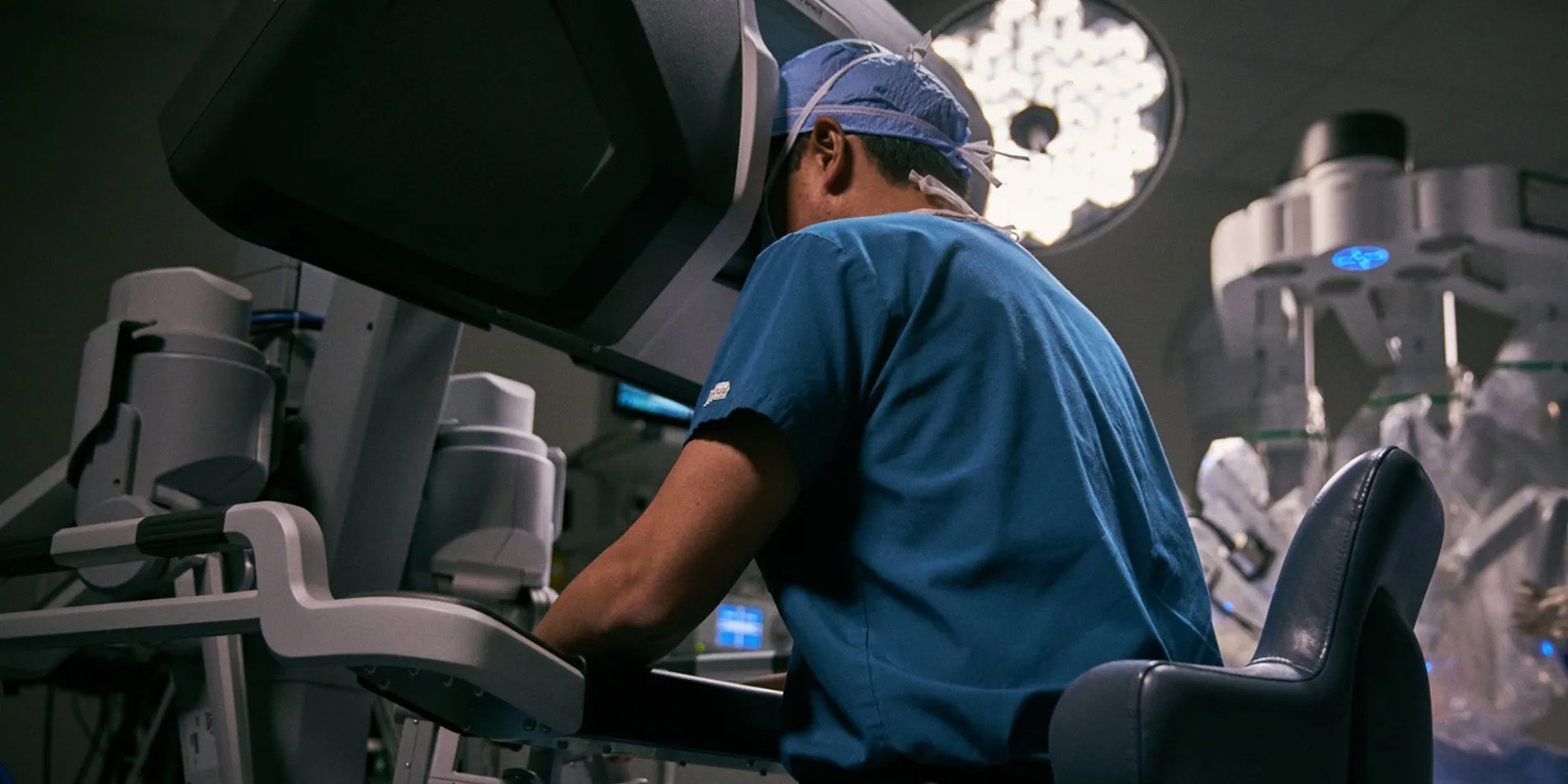
During your procedure, your surgeon is seated at a console in the operating room, controlling robotic instruments in real time. Every movement is guided by the surgeon, ensuring complete control throughout the operation.

  • The system provides a magnified, high-definition 3D view of the surgical area
  • Robotic arms translate the surgeon’s hand movements into precise actions
  • Built-in tremor filtration ensures smooth, steady motion

This combination of technology and expertise allows for highly controlled, efficient procedures with excellent outcomes.

Benefits of Robotic Surgery

Robotic surgery not only increases the precision and accuracy for Surgeons, but it also has many benefits for the patient as well. Some of those benefits include: 

  1. Robotic Surgery is Less Invasive: One of the most significant advantages of robotic surgery is the ability to perform procedures through smaller entry points or incisions compared to traditional open surgery.
  2. Less Pain: Unlike traditional open surgery, which requires large incisions, robotic-assisted surgery uses minimally invasive techniques. This approach minimizes the damage to the healthy tissue around the area being treated, resulting in less overall discomfort after surgery.
  3. Less Scarring: Due to the small incisions, the resulting surgical incisions are smaller, leading to a reduction in scarring, both externally and internally.
  4. Patients Experience Fewer Complications on Average: Due to the greater precision offered, patients experience less blood loss and a lower likelihood of complications after their surgery has been completed.
  5. Faster Recovery Times, Shorter Hospital Stays: Because surgeons can make tiny, carefully placed incisions, often no larger than a few millimeters, recovery time is greatly reduced for patients.

Robotic Surgery Procedures in Northeast GA

Robotic-assisted surgery is used across a wide range of specialties, giving patients access to advanced treatment options for both routine and complex procedures.

At St. Mary’s, our surgical team tailors each procedure to your individual needs, ensuring your care plan reflects your condition, goals, and overall health.

Common Robotic-Assisted Procedures

Patients in Athens, GA, and surrounding Northeast Georgia communities may benefit from robotic-assisted procedures such as:

These procedures are performed using minimally invasive techniques designed to reduce recovery time and improve patient comfort.

Minimally Invasive Techniques for Better Outcomes

Minimally invasive surgery focuses on reducing trauma to the body while maintaining the effectiveness of the procedure.

Benefits include:

  • Smaller incisions and less tissue disruption
  • Reduced blood loss during surgery
  • Lower risk of infection
  • Shorter hospital stays

For many patients, this means a quicker return to normal routines and daily activities.

Conditions Treated with Robotic Surgery

Robotic surgery can be used to treat a wide range of medical conditions that benefit from enhanced precision and minimally invasive techniques.

Common Conditions Treated

Our team treats patients across Athens, GA, and Northeast Georgia for conditions including:

  • Hernias
  • Gallbladder disease
  • Digestive and colorectal conditions
  • Obesity and weight loss via Bariatric Surgery
  • Gynecologic conditions such as fibroids and endometriosis
  • Urologic conditions
  • Certain cancers requiring surgical treatment

Each condition is carefully evaluated to determine if robotic surgery is the most effective approach.

When Is Robotic Surgery Recommended?

Not every patient requires robotic-assisted surgery, but it may be recommended when:

  • Precision is critical to protect the surrounding tissue
  • A minimally invasive approach can improve recovery
  • Traditional surgery may carry higher risks
  • Faster healing and reduced downtime are priorities

Your provider will discuss all available options and help you make an informed decision about your care.

Meet da Vinci

The da Vinci® Surgical System: Advanced Technology for Better Outcomes

At St. Mary’s Healthcare System, we use the da Vinci® XI surgical system, a leading robotic platform designed to enhance surgical precision and patient outcomes.

This advanced technology allows our surgeons to perform complex procedures with greater control, improved visualization, and enhanced efficiency.

How the da Vinci® System Works

The da Vinci® system includes three primary components that work together seamlessly:

  • Surgeon console: Where the surgeon controls the instruments
  • Patient cart: Positioned beside the patient with robotic arms and tools
  • Vision system: Provides high-definition, magnified 3D imaging

This system allows surgeons to operate with incredible accuracy, even in delicate or hard-to-reach areas.

Benefits of the da Vinci® Surgical System

The advanced capabilities of the da Vinci® system translate into meaningful benefits for patients:

  1. Greater precision: Surgeons can perform highly controlled movements for improved accuracy.
  2. Enhanced visualization: Magnified 3D imaging provides a clearer view of the surgical site.
  3. Reduced complications: Precise movements help minimize damage to surrounding tissues.
  4. Faster recovery: Smaller incisions lead to quicker healing and less downtime.

Why Technology Matters in Surgical Care

Choosing a facility with advanced surgical technology can significantly impact your experience and outcomes. Robotic systems like da Vinci® allow surgeons to perform procedures that may not be possible with traditional methods alone.

For patients in Athens, Watkinsville, and surrounding Northeast Georgia communities, this means access to leading-edge care without traveling far from home.


How Does Robotic Surgery at St. Mary's Work?


Your surgeon is with you in the operating room, seated at the da Vinci system console. The console gives your surgeon control of the instruments he or she uses to perform your surgery.
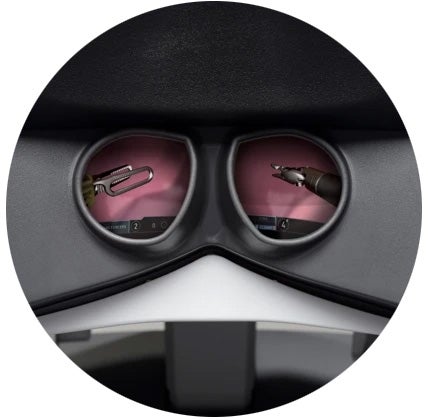

The da Vinci vision system delivers 3D high-definition views, giving your surgeon a crystal-clear view of the surgical area that is magnified 10 times to what the human eye sees.
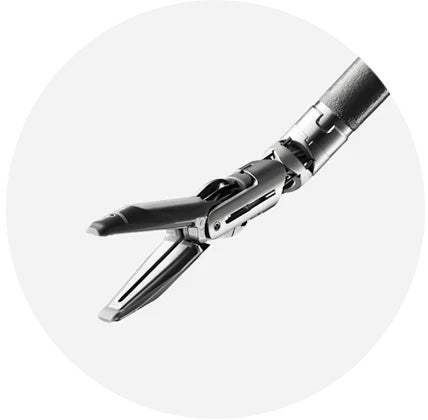

Your surgeon uses tiny instruments that move like a human hand but with a far greater range of motion. The system’s built-in tremor-filtration technology helps your surgeon move each instrument with smooth precision.

Types of Robotic Services Offered at St. Mary's Healthcare System

Bariatric Surgery

Bariatric Surgery

Bariatric surgery is a medical procedure that aids in weight loss by altering the digestive system, typically by reducing stomach size or changing nutrient absorption. It is commonly used to treat severe obesity and related health conditions like diabetes and hypertension.

Learn More

Ion Bronchoscopy

ION Bronchoscopy

Robotic ION bronchoscopy is a medical procedure that uses robotic-assisted technology to navigate the airways and obtain lung tissue samples. It improves precision, enhances early lung cancer detection, and reduces complications.

Learn More

Woman sitting on a hospital bed, dressed in a hospital gown.

Colorectal Surgery

Colorectal conditions can be complex and require specialized surgical care. At St. Mary's Health Care System, our experienced surgeons utilize advanced, minimally invasive robotic techniques to treat a wide range of colorectal issues.

Learn More

Frequently Asked Questions About Robotic Surgery in Athens, GA

Robotic surgery is a minimally invasive surgical approach that uses advanced technology to assist surgeons in performing precise procedures through small incisions. The surgeon remains in full control while using robotic instruments to enhance accuracy and visibility.

Yes, robotic surgery is considered safe and effective when performed by trained surgical teams. The technology enhances precision, reduces complications, and supports better outcomes compared to traditional surgery in many cases.

Robotic surgery offers several benefits, including smaller incisions, less pain, reduced scarring, lower risk of complications, and faster recovery times.

Unlike traditional open surgery, robotic surgery uses small incisions and advanced instruments guided by a surgeon. This results in less trauma to the body and a quicker healing process.

Yes. The robotic system does not act on its own. Your surgeon is in full control at all times, guiding every movement of the instruments during the procedure.

Robotic surgery is commonly used for procedures such as hernia repair, gallbladder removal, gynecologic surgery, urologic procedures, and colorectal surgery.

Many patients are candidates for robotic surgery, especially those who may benefit from a minimally invasive approach. Your provider will evaluate your condition and overall health to determine if it is right for you.

Most patients experience a shorter recovery time compared to traditional surgery. Many return to normal activities within a few weeks, depending on the procedure.

Yes, most patients report less pain due to smaller incisions and reduced tissue damage. This often means less need for pain medication after surgery.

As with any surgical procedure, there are risks. However, robotic surgery is designed to reduce many of the risks associated with traditional surgery, such as infection and excessive blood loss.

The best way to determine if robotic surgery is right for you is to schedule a consultation with a provider. They will review your condition, discuss your options, and recommend the most appropriate treatment plan.